
CLINICAL APPLICATION & CRITERIA
Minimally Invasive Cancer Surgery in China
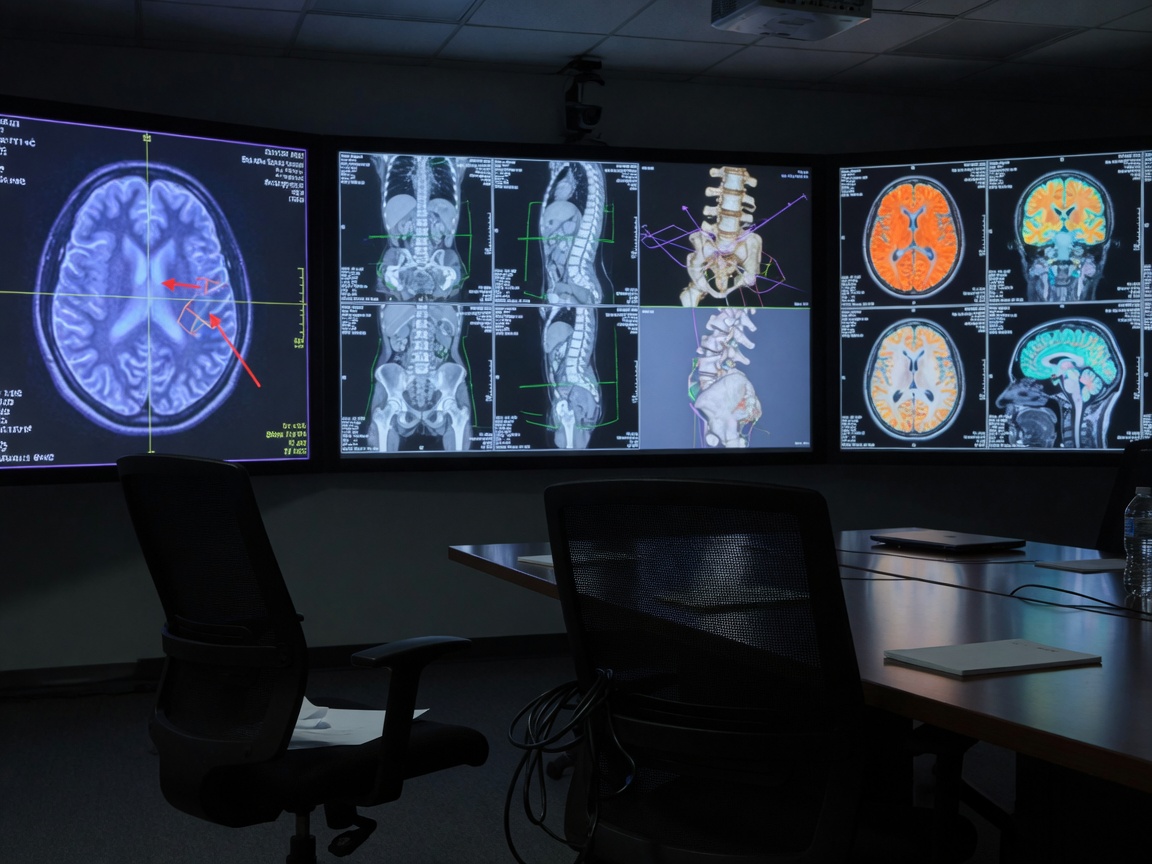
Surgery remains the cornerstone of curative treatment for most solid tumors, involving the physical removal of the tumor and surrounding tissue through open, laparoscopic, or robotic-assisted approaches. Modern surgical oncology has been transformed by minimally invasive techniques, enhanced recovery after surgery (ERAS) protocols, and image-guided navigation, enabling precise resections with less blood loss, fewer complications, and shorter hospital stays. When combined with neoadjuvant or adjuvant systemic therapy, surgery offers the best chance of long-term survival for patients with localized disease.
- Robotic-Assisted Surgery
- Minimally Invasive Expertise
- Intraoperative Navigation
- Organ-Function Preservation
- Multidisciplinary Surgical Planning
- ERAS & Enhanced Recovery
CLINICAL CANCER INDICATIONS
Key Cancers Treated with Minimally Invasive Surgery in China
High-volume robotic resections, vascular reconstruction, and organ-preserving surgical mastery in China’s premier national cancer centers:
Stomach & Colorectal Cancer
Liver Cancer
Lung Cancer
WHY CHOOSE US
Why Choose China Cancer Help for Minimally Invasive Surgery
A specialized cross-border continuum connecting international patients directly with China’s highest-volume academic surgical teams.
China performs more cancer surgeries annually than almost any other country, giving its surgeons unparalleled depth of experience across high-incidence tumor types including gastric, esophageal, liver, lung, and nasopharyngeal cancers. Leading Grade 3A centers — such as the Chinese Academy of Medical Sciences Cancer Hospital, Fudan University Cancer Hospital, Peking Union Medical College Hospital, and the PLA General Hospital — combine internationally accredited surgical outcomes with cost structures that are typically 40–70% lower than comparable care in the United States.
The rapid adoption of domestically manufactured surgical robots (Toumai®, MicroHand S, EDGE MP1000, KangDuo SR1000), validated in head-to-head randomized trials against the da Vinci system, has expanded access to robotic surgery at a fraction of the cost. A dedicated bilingual coordinator manages every detail of international patient care — pre-arrival case review, medical visa invitation, airport transfer, VIP admission, real-time interpretation, and fully English discharge records — ensuring seamless treatment and continuity after returning home.
CASE EVALUATION PATHWAY
A Structured Pathway from Records to Care
A transparent, four-stage continuum connecting preliminary clinical evaluation to official hospital acceptance, specialized inpatient care, and ongoing continuity.
01. Submit Records Online
02. Pre-Screen & Doctor Match
03. Doctor Consultation
04. Travel to China & Care
PATIENT FAQS
Frequently Asked Questions
Key clinical, financial, and logistical insights for international Complex & Oncological Surgery patients considering care in China.
MINIMALLY INVASIVE CANCER SURGERY PRE-ASSESSMENT
Request a Confidential Case Review for Minimally Invasive Cancer Surgery
Submit your contact details, confirmed diagnosis, and main question below. You do not need to upload any medical files at this stage. Our clinical coordinator will contact you directly within 24–48 hours to discuss potential advanced surgical oncology pathways in China and assist you in gathering the specific medical records needed for expert hospital review.