
CLINICAL APPLICATION & CRITERIA
Minimally Invasive Interventional & Ablation Therapy in China
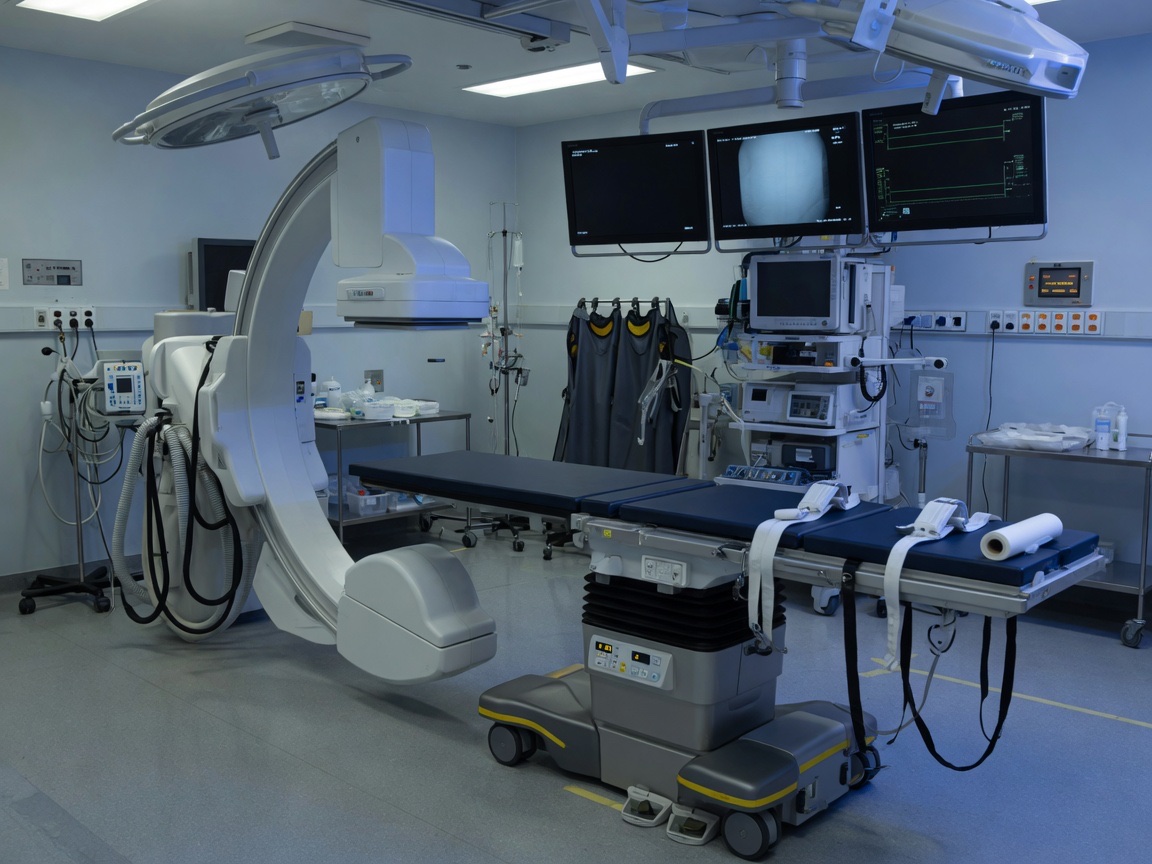
Interventional oncology uses image-guided, minimally invasive procedures performed through small punctures to treat tumors directly, without open surgery. Under CT, ultrasound, or digital subtraction angiography (DSA) guidance, interventional radiologists deliver treatment through catheters, needles, or probes — including transarterial chemoembolization (TACE), radiofrequency and microwave ablation, cryoablation, irreversible electroporation (NanoKnife), and portal vein embolization. These techniques can be curative for small localized tumors, used as a bridge to transplant, or applied palliatively to control symptoms and extend survival in patients who are not surgical candidates.
- Minimally Invasive Access
- Ablative Treatment for Selected Tumors
- Transarterial Chemoembolization (TACE)
- Organ Function Preservation
- Repeatable & Combinable
- Short Hospital Stay
CLINICAL CANCER INDICATIONS
Key Cancers Treated with Interventional & Ablation Therapy in China
Minimally invasive arterial infusion chemotherapy, thermal ablation, and non-thermal electroporation delivered under real-time imaging guidance:
Liver Cancer
Lung Cancer
Stomach & Colorectal Cancer
WHY CHOOSE US
Why Choose China Cancer Help for Interventional & Ablation Therapy
A specialized cross-border continuum connecting international patients directly with China’s world-leading interventional oncology centers.
China bears the world’s highest burden of hepatocellular carcinoma (HCC), giving its interventional radiologists unmatched experience in TACE, drug-eluting bead TACE (DEB-TACE), hepatic arterial infusion chemotherapy (HAIC), and ablation. Chinese guidelines on interventional treatment of liver cancer are internationally recognized and widely cited. Many leading Grade 3A hospitals operate well-equipped interventional radiology departments with the latest DSA, CT fusion, and ablation systems, and domestic manufacturers produce high-quality devices at competitive prices.
Beyond HCC, Chinese centers have extensive expertise in ablation for lung and renal tumors, NanoKnife for pancreatic cancer, and interventional pain management for bone metastases. The cost of interventional procedures is substantially lower than surgery, and the minimally invasive nature makes treatment accessible to elderly patients and those with comorbidities who cannot tolerate major operations. Bilingual coordinators at leading centers ensure international patients receive seamless evaluation, treatment, and follow-up care.
CASE EVALUATION PATHWAY
A Structured Pathway from Records to Care
A transparent, four-stage continuum connecting preliminary clinical evaluation to official hospital acceptance, specialized inpatient care, and ongoing continuity.
01. Submit Records Online
02. Pre-Screen & Doctor Match
03. Doctor Consultation
04. Travel to China & Care
PATIENT FAQS
Frequently Asked Questions
Key clinical, financial, and logistical insights for international Interventional & Local Therapies patients considering care in China.
INTERVENTIONAL & ABLATION THERAPY PRE-ASSESSMENT
Request a Confidential Case Review for Interventional & Ablation Therapy
Submit your contact details, confirmed diagnosis, and main question below. You do not need to upload any medical files at this stage. Our clinical coordinator will contact you directly within 24–48 hours to discuss potential interventional and local ablative pathways in China and assist you in gathering the specific medical records needed for expert hospital review.